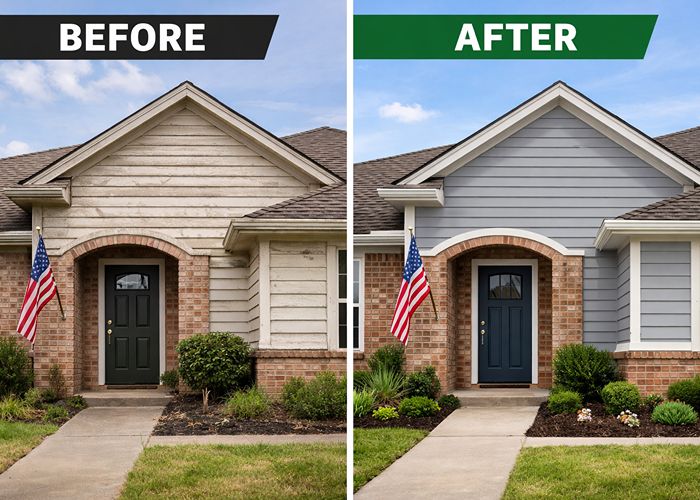
Your house siding covers a large part of your home’s wall system, but its job goes well beyond appearance. It helps shield the materials behind it from moisture and daily exposure while defining the finish you see around the house. When siding becomes cracked, warped, loose, faded, or difficult to maintain, replacing it gives you a chance to correct worn areas and update the wall assembly at the same time.
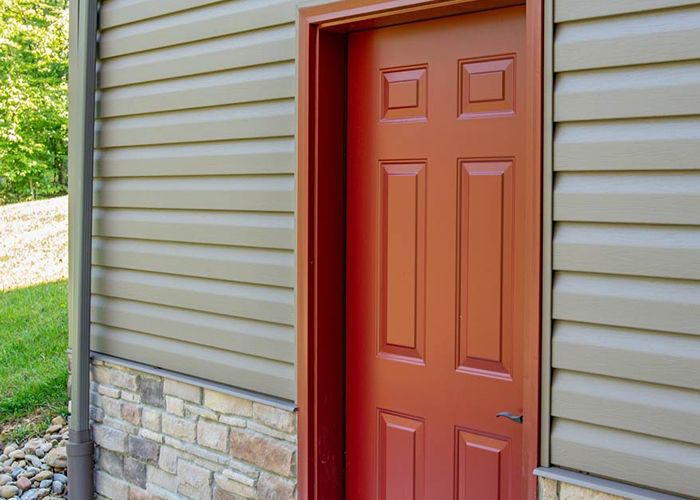
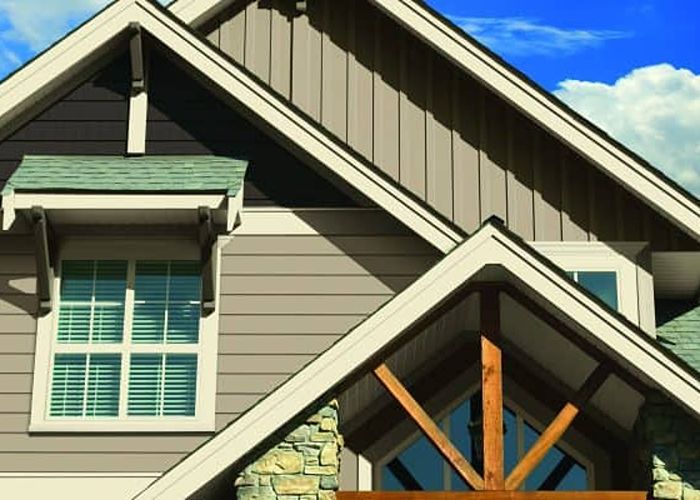
You have several siding systems to compare, and each one serves a different purpose. James Hardie fiber cement is known for resistance to hail, rot, insects, and fire. Cedar Ridge composite siding adds insulation, manages moisture, and is promoted as reducing outside noise by up to 45%. Acrylic Composite siding offers broad choices in patterns, colors, and textures without routine painting, while vinyl gives you a versatile, budget-conscious option with low upkeep.
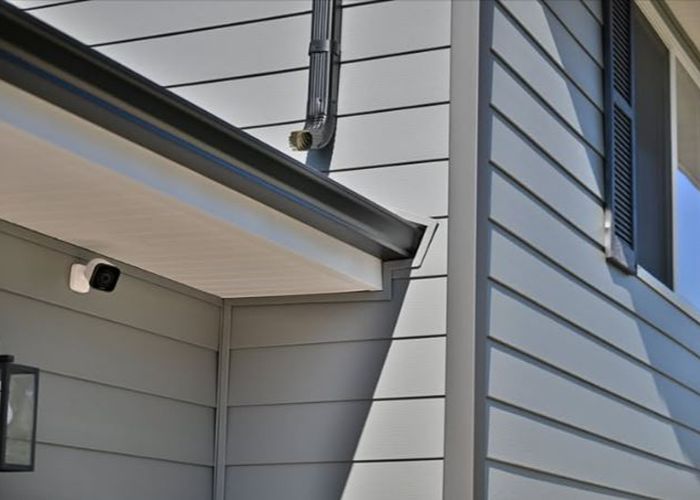
Siding installation also includes the details surrounding the panels. Trim, corner boards, flashing, starter courses, window and door transitions, soffits, and wall penetrations all affect how the finished project comes together. Our licensed and insured siding crew plans these connections before installation so the siding fits cleanly around the parts of your home that are staying in place.